

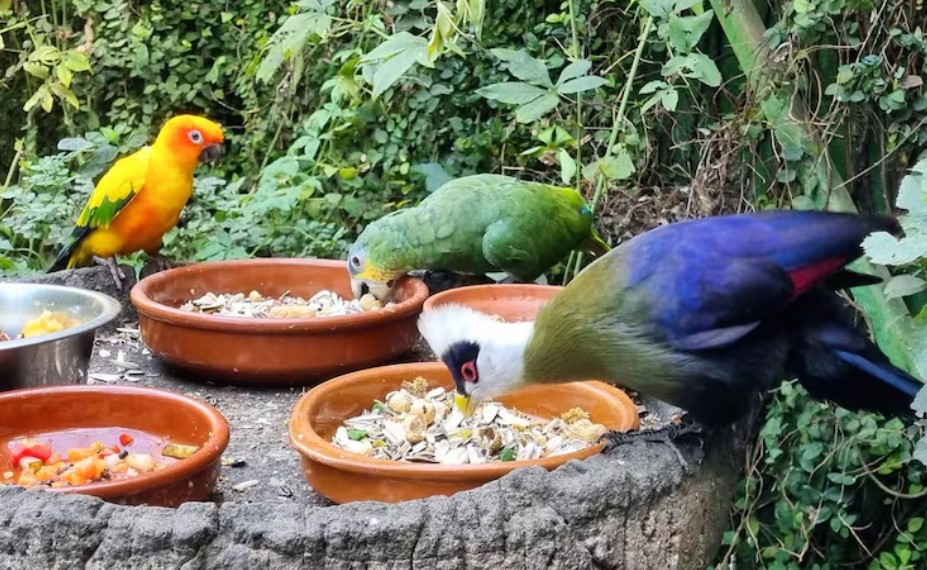
Choosing the right food for birds is one of the most important parts of keeping a pet bird healthy. A balanced diet supports strong feathers, healthy digestion, better energy levels, and a longer life. Many bird owners wonder whether natural foods or commercial Bird Food are the better option.
The answer depends on your bird’s species, age, activity level, and nutritional needs. Both options have benefits when used correctly. Understanding the different bird food types can help you make better feeding decisions and keep your feathered friend in great shape.
What Is Natural Food for Birds?
Natural food for birds includes fresh foods that are close to what birds eat in nature. These foods are usually free from artificial colors, flavors, and preservatives.
Some common natural foods include:
-
Fresh fruits like apples, berries, and bananas
-
Vegetables such as carrots, broccoli, peas, and spinach
-
Leafy greens like kale and romaine lettuce
-
Cooked grains including brown rice, oats, and quinoa
-
Cooked beans and legumes
-
Small amounts of nuts and seeds
Fresh foods provide important vitamins, minerals, antioxidants, and fiber. They also add variety to your bird’s daily meals and encourage natural foraging behavior.
Before offering fresh produce, wash it well and remove seeds or pits from fruits that may be harmful. Always introduce new foods slowly and watch for any digestive changes.
What Is Commercial Bird Food?
Commercial bird food is specially made to provide balanced nutrition for different bird species. Manufacturers create products using carefully selected ingredients to meet the dietary needs of pet birds.
Popular commercial bird food types include:
-
Pellets
-
Seed mixes
-
Specialty blends
-
Treat mixes
-
Species-specific diets
Pellets are often recommended because they provide consistent nutrition in every bite. Unlike seed-only diets, pellets reduce the chance of birds picking only their favorite ingredients.
Seed mixes remain popular, especially for finches, canaries, budgies, and cockatiels. However, feeding only seeds may not provide complete nutrition for many pet birds.
High-quality commercial Bird Food also offers convenience. It is easy to store, simple to measure, and helps maintain a consistent feeding routine.
Natural vs. Commercial Bird Food
Both natural foods and commercial diets have advantages. The best choice is often a combination of both.
Nutrition
Fresh fruits and vegetables contain valuable nutrients that support overall health.
Commercial Bird Food is designed to provide balanced levels of protein, vitamins, minerals, and healthy fats. Quality pellets help reduce nutritional gaps that may happen with homemade diets.
Variety
Natural food for birds gives birds different flavors, colors, and textures. This keeps feeding time interesting and encourages mental stimulation.
Commercial diets provide consistency, while fresh foods provide enrichment.
Convenience
Preparing fresh meals takes time. Fruits and vegetables need washing, cutting, and proper storage.
Commercial Bird Food is ready to serve and makes daily feeding easier for busy bird owners.
Shelf Life
Fresh foods spoil quickly and should be removed from the cage after a few hours.
Commercial products usually have a longer shelf life when stored properly in a cool, dry place.
Cost
Fresh produce prices can vary throughout the year.
Commercial Bird Food may seem more expensive at first, but balanced diets can reduce nutritional problems that may lead to higher veterinary costs later.
Which Option Is Better?
There is no single answer that works for every bird.
Many avian experts recommend feeding quality pellets as the main diet while adding fresh fruits and vegetables every day. This combination provides complete nutrition along with natural variety.
Different bird food types work better for different species.
For example:
-
Budgies enjoy pellets along with leafy greens and vegetables.
-
Cockatiels benefit from pellets, vegetables, and limited seeds.
-
Parrots usually need a wide range of vegetables, fruits, pellets, and occasional healthy treats.
-
Finches and canaries often eat quality seed mixes with fresh greens and vegetables.
Always learn about the specific dietary needs of your bird before making major diet changes.
How to Choose the Right Food for Birds
Choosing the right food for birds starts with understanding your bird’s nutritional needs.
Keep these tips in mind:
-
Select products made for your bird’s species.
-
Read ingredient labels carefully.
-
Look for balanced nutrition instead of fillers.
-
Offer fresh vegetables every day.
-
Limit sugary fruits and high-fat treats.
-
Keep fresh drinking water available at all times.
-
Store bird food in airtight containers to maintain freshness.
-
Introduce new foods gradually.
A balanced feeding routine is usually more important than relying on one type of food alone.
Common Feeding Mistakes to Avoid
Even caring bird owners sometimes make feeding mistakes.
Avoid these common problems:
-
Feeding only seeds for long periods.
-
Giving too many treats.
-
Leaving fresh food in the cage all day.
-
Offering chocolate, avocado, onions, garlic, alcohol, or caffeine, which can be harmful to birds.
-
Changing diets too quickly.
-
Ignoring portion sizes.
Learning about different bird food types helps prevent these mistakes and supports better long-term health.
Final Thoughts
The best food for birds is one that provides complete nutrition while matching your bird’s species and lifestyle. A quality commercial Bird Food diet paired with safe fresh fruits and vegetables gives many pet birds the balance they need for healthy growth and daily energy.
When selecting bird food types, focus on quality ingredients and your bird’s individual needs. A balanced feeding plan can support better health, brighter feathers, and a more active companion. Choose trusted Bird Food products, introduce fresh foods regularly, and build a feeding routine that helps your bird thrive every day.
FAQs
1. Is natural food better than commercial Bird Food?
Both have benefits. Fresh foods provide natural nutrients and variety, while quality commercial Bird Food offers balanced nutrition. Many birds do best with a combination of both.
2. What are the main bird food types?
The most common bird food types include pellets, seed mixes, fresh fruits, vegetables, grains, legumes, and healthy treats. The right choice depends on the bird species.
3. Can birds live on seeds alone?
Many pet birds should not eat only seeds. Seed-only diets may lack important nutrients. Adding pellets and fresh food for birds helps create a more balanced diet.
4. How often should I give fresh food to my bird?
Most birds can enjoy fresh vegetables daily and fruits several times a week. Remove uneaten fresh food after a few hours to keep it safe.
5. How do I switch my bird to a new Bird Food?
Introduce new Bird Food gradually by mixing small amounts with the current diet. Increase the new food slowly over several days or weeks while monitoring your bird’s eating habits.
New Comments